All Categories
Featured


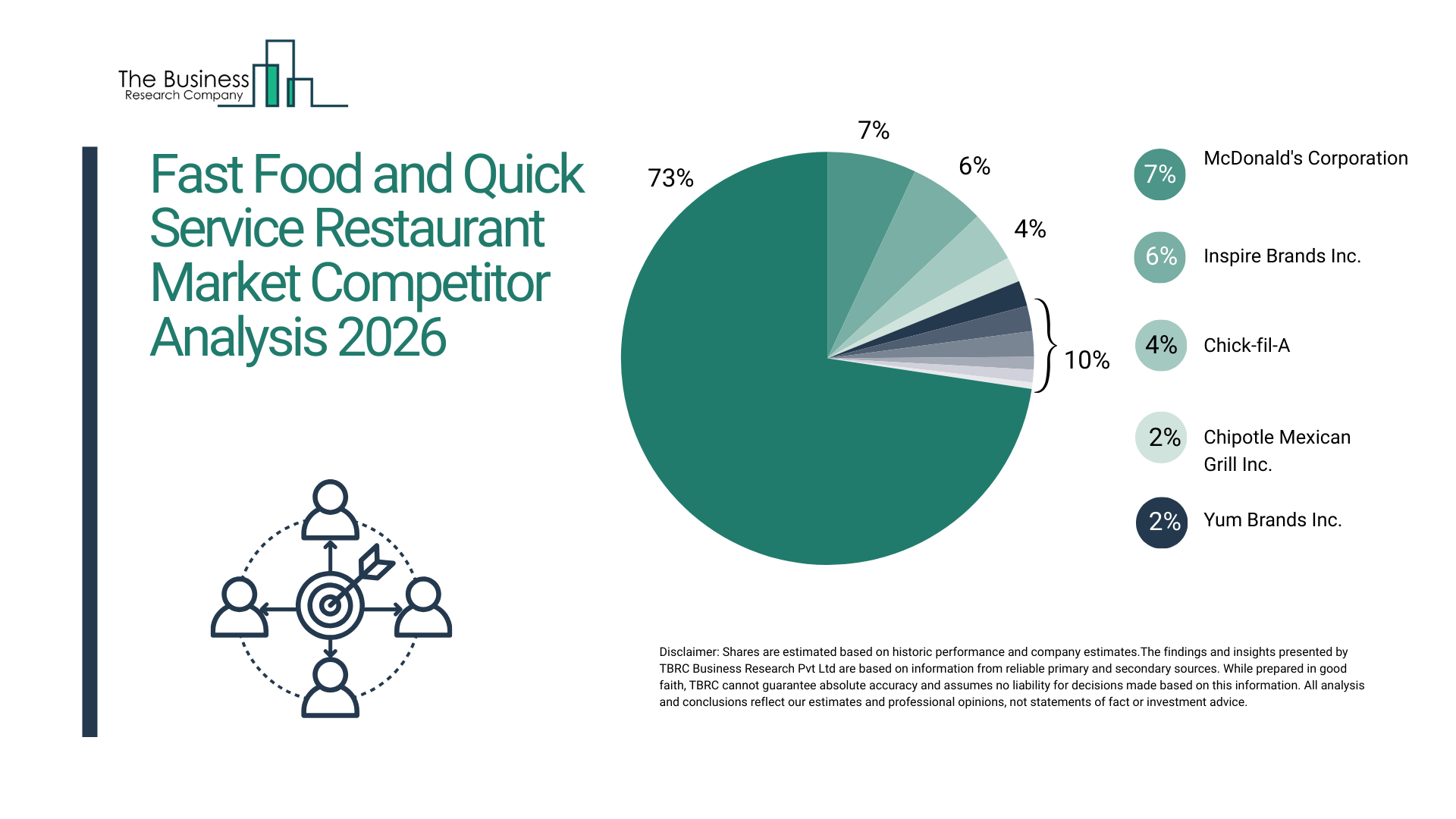
Analyzing Fast Casual Sector Share Data for 2026
Table of Contents
AI chatbots can respond to frequently asked visitor questions, reducing front desk and client service work so these staff members can concentrate on more complex matters and on developing meaningful visitor interactions. AI analysis of facilities and equipment can anticipate problems, while agentic AI can handle repairs and order parts autonomously, reducing the danger of blackouts and pricey emergency repair work.
Agentic AI can evaluate meal and beverage offerings, purchasings, and success to immediately order new inventory and recommend price or menu adjustments. According to EHL Assistant Professor Dr. Jie Yu Kerguignas, hospitality leaders "are excited to try out tools that empower staff members." As EHL alumnus, Vice President at Apaleon, and hospitality tech professional, Florian Montag states, the use of AI is not about "robotics replacing individuals" however about creating a collective dynamic where digital assistants handle routine complexity autonomously, freeing human staff members to do what they do finest: supply authentic hospitality.
AI-powered predictive scheduling can anticipate peak stress durations and allocate personnel successfully, while AI analytics can determine patterns of exhausting or absenteeism, making it possible for management to approach and support staff members proactively. AI can likewise support psychological health and task satisfaction by reducing recurring jobs and allowing more well balanced workloads. "When staff members feel less overwhelmed by administrative concerns, they are better able to concentrate on the creative, social, and service-oriented aspects of their roles," says EHL Teacher Dr.
Smart Ways to Boost Brand Presence via Expansion
AI enables hospitality services to customize the guest experience more than ever before, and at scale. Where examining large sets of visitor information used to be labor-intensive, AI can efficiently determine patterns and make actionable suggestions. As personalization has actually become increasingly essential over the last few years, the value of this chance can't be downplayed.
On the other hand, increased consumer personal privacy awareness and concerns may make a section of travelers lean towards brand names that do not appear to gather as much visitor information (Qualtrics, Deloitte). AI brings hospitality marketers both new opportunities and new difficulties. As an increasing number of travelers turn to AI for travel research and even to book trips, hospitality brands require to acquire presence in the LLMS that tourists use.
tourists used gen AI tools to plan trips in 2025, an 11-point jump in simply one year." LLM optimization will need to end up being a significantly huge part of their marketing mix, together with more traditional techniques such as paid advertising, social networks marketing, and traditional Search Engine Optimization (SEO). For business with minimal marketing resources, choices might require to be made, as those who move now have a chance to get ahead of the competition.
Why Invest in the Modern Dining Sector Now?On top of that, online marketers can concentrate on strategy as AI handles information analysis, recurring jobs, and online brand name monitoring. With the increased opportunities that AI brings come risks. Dr Reza Etemad-Sajadi stresses that AI must be carried out properly, with safeguards for privacy, data security, and ethical considerations. With AI taking up a growing role in hospitality procedures, worker retention hinging not just on compensation but likewise on fulfilment and wellness, and the market having problem with high turnover and continuous staffing lacks, embracing a people-first approach is important.
A people-first method isn't just beneficial for younger workers. EHL Professor Dr Bertrand Audrin says that the service world and market should not separate too highly in between the particular requirements of different generations. He states that in the end, it's the team that chooses whether a leader achieves success, and because sense, human-centric leadership is important to every worker, despite their age or profession.
And of course, good soft abilities. - Frank Marrenbach, EHL IAB Member and CEO of Althoff Hotels In conclusion, human-centricity is a needed evolution for handling staff shortages, moving worker values, and accelerating technological innovation. By working with and training individuals who can lead with empathy, self-awareness, and authenticity, the hospitality market can develop an appealing workplace for lots of generations to come, improving both worker and guest satisfaction.
According to , 93% of international travelers state they want to make more sustainable options when traveling, and 69% want to leave locations much better than when they got here. And as the requirement for environmentally friendly practices is increasingly acknowledged and acted on, those at the leading edge are already taking it a step further.
How to Scale 2026 Regional Expansion- Markus Venzin, CEO EHL Group Where sustainability determines success by what is decreased or avoided less carbon, less water, less waste regrowth, in contrast, concentrates on developing a positive impact. Rather of merely balancing out damage, regenerative hospitality aims to create new worth not just for its visitors however for its whole surroundings.
The hospitality market can add to regrowth in various ways: by replanting mangroves, producing biodiversity, supporting regional ecological groups, or collaborating with local ecological efforts to create significant visitor experiences. by providing spaces to regional groups, developing a hub where residents can satisfy, or inviting local artists to carry out. by training and working with locals, or dealing with local suppliers.
Modern Restaurant Industry Innovations Driving Future Success
For brand differentiation. The foodservice industry is uniquely positioned to positively impact social and natural environments, consumer health, and the economy as it touches so many lives every day.
On top of that, they can respond to the growing need for food that is not just pleasing however also helpful of visitors' personal and the planet's well-being. Adopting a more regenerative technique is frequently viewed as pricey and reserved for niche, premium brand names. EHL Professor and author of a current EHL study around the topic, Dr.
He also stresses that sustainable food practices can give hospitality companies of all sizes a competitive edge by "opening new earnings streams, improving performance, and winning sustainability-minded clients." At the exact same time, it's essential to acknowledge that embracing regeneration or sustainability practices isn't always easy, especially for smaller businesses. There needs to be "a balance in between immediate operational requirements and long-lasting ecological objectives, placing sustainability not just as an ethical imperative but likewise as a chauffeur of competitiveness and resilience in the evolving foodservice landscape," as Dr Martin-Ross states.

Latest Posts
Top Lucrative Investment Opportunities for 2026
%2Fstory1%2F2731278%2F89a6667dcabd6fc7923e9751c85974cc5967.jpg&w=3840&q=75)
Notable Regional Milestones of Corporate Expansion
/story1/2731193/1768342052_2731193.png)
Top Advantages of Fast Casual Franchising in 2026