All Categories
Featured

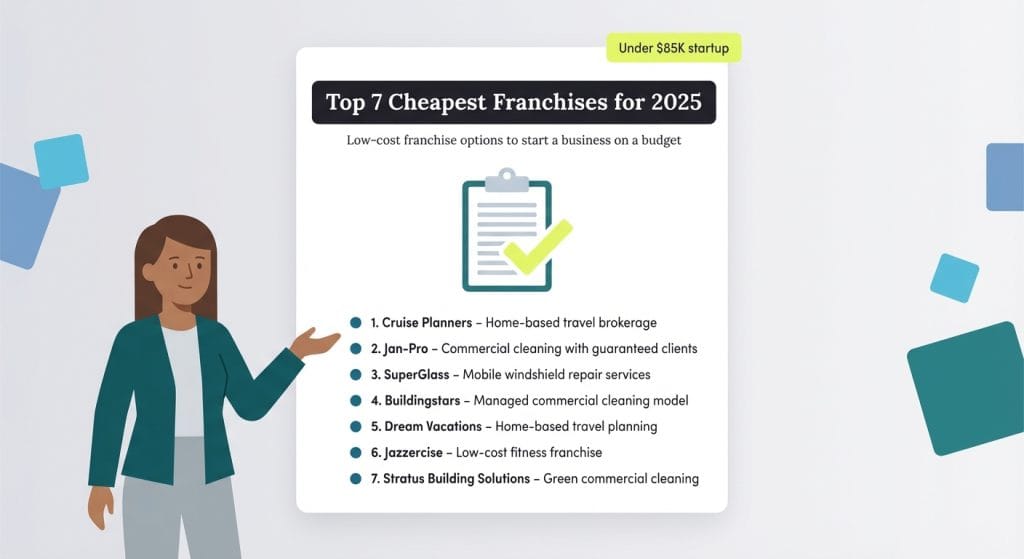
Corporate Growth News and Regional 2026 Milestones
According to Grand View Research study, the international solo travel market was valued at over $482 billion in 2024 and is projected to grow 14.3% by 2030. This growth consists of a substantial rise among female travelers looking for self-reliance and self-discovery, which in turn amplifies need for safety-oriented services and products. Entrepreneurs can profit from this opportunity by developing innovative security services specifically developed for solo travelers, including personal alarms, GPS-enabled gadgets, and protected lodging alternatives.
Notable Benefits of Strategic Market Entry 2026The appeal of minimalist, sustainable travel is more powerful than ever, especially amongst millennials and Gen Z. And with remote and hybrid work becoming significantly prevalent, a distinct, small home rental might capture the eye of someone looking for a relaxing home base for a "workation." Tiny homes can yield high occupancy and low upkeep expenses, making them an appealing design for solo operators or boutique home managers.Slow travel is growing, and rural areas are ending up being prime locations. Entrepreneurs can use the.
growing appeal of interest-based and cultural experiences by launching local experience platformssuch as cooking classes, craft workshops, and regional toursin less-traveled locations. This design provides travelers distinct experiences while supporting frequently underrepresented neighborhoods and small companies eager to share their stories and abilities. Today's travelers aren't leaving their pets behind; they're planning journeys around them. A well-designed app or planning platform that helps
Selecting the Profitable 2026 Business Venture
users find pet-welcoming stays, parks, and restaurants could corner a faithful market. Add-ons, such as gear suggestions or pet travel packages, can even more increase earnings. Touchless, 24/7 retail is on the rise, and modern-day vending devices can now sell everything from treats to electronic devices with very little overhead. From beverages and snacks to health-conscious products, vending offers diverse choices that accommodate the needs and desires of your customers. Establish in a high-traffic area and watch your sales soar. Households who take a trip with children frequently choose to rent baby cribs, safety seat, and strollers at their location rather than carry them through airports. Since 2026, this industry's market is valued at roughly $1.2 billion, with an expected CAGR of roughly 15%through 2028. With millennials and Gen Zers continuing tostart and grow their families, there are numerous chances to satisfy their expectations by integrating innovation and self-service into the experience. From wedding event arches to power washers, customers and organizations are deciding to rent rather than purchase one-time-use equipment. This growing industry provides a lot of opportunities to take a niche and target specific consumer or industrial requirements.
As cars and truck ownership expenses rise, consumers are searching for budget-friendly and sustainable short-term options, such as local car rental models and platforms. The peer-to-peer (P2P) cars and truck sharing is predicted to grow almost 16 %by 2030. Start-up costs and possible earnings margins for new organization endeavors differ depending upon business's structure. Your expense base(labor versus stock versus innovation )and earnings model(one-time vs. recurring)eventually identify how quickly your company idea can become profitable and scalable. The normal service-based business expenses$5,000$25,000 at start-up. Service services normally have the least expensive startup costs since they rely mostly on the owner's(or their workers')abilities rather than on physical assets. Service services can typically anticipate margins closer to 15%to20 %, because they can charge more for their expertise and individual labor. Inventory expenses, fulfillment logistics, producing factors to consider, and more drive higher startup expenses for item services. Margins can differ extensively depending on production costs, prices technique, competitors, and whether they run entirely online or out of a brick-and-mortar area. However, margins are frequently lower for item organizations than other types: The average net earnings for retail businesses across all sectors is generally well listed below 10%. Subscription or recurring revenue businesses, such as software-as-a-service(SaaS ), memberships, or subscription box services, rely greatly on consumer retention for success. While initial costs can be moderate to high(especially for software), the membership design shifts focus toward long-lasting customer value. Any service with a recurring revenue stream is scalable and profit margins can reach as high as 90%, though a goal of at least 30%is desirable. Costs and margins will vary depending on your company's storefront type and area. Lots of business owners begin their first online organizations from home, so workplace area is never an upfront expense. Brick-and-mortar startup expenses are substantially greater($50,000 to $150,000)because a physical business area is consisted of in initial expenses. In addition to rent and item stock, little business owners need to consider displays, decorations, point-of-sale systems, and more to get their companies off the ground. Research study competitors to see what they're currently providing, how customers react, and what you might offer that's exceptional. Comprehending your rivals 'market position allows you to separate, ensuring your offerings will not be eclipsed by what's already offered. From there, analyze what customers are looking for throughout engineslike Google and platforms like Amazon and YouTube by conducting keyword research. In doing so, you'll uncover popular customer pain points and market spaces. To validate whether clients want to pay for your idea, evaluate public interest through presales. Presales help you get a clearer image of customers'determination to pay for your service or product, backed by concrete data and prospective profits. Before investing time and resources into a major services or product, develop a minimum viable product(MVP)or a simplified version of your item or serviceto test the idea. This enables you to validate your idea based on feedback from early users and determine whether it's resolving your target audience's needs. While some of the above validation strategies can require time to develop, there are faster ways to find out what audiences think about your ideas. Try a few of these strategies to get quick feedback. Promote your concept with online advertisements (even if it's not perfect yet) to see how your target audience reactsand whether you're targeting the right individuals. Build an online landing page that discusses your offering, including its key advantages and pricing design.

Latest Posts
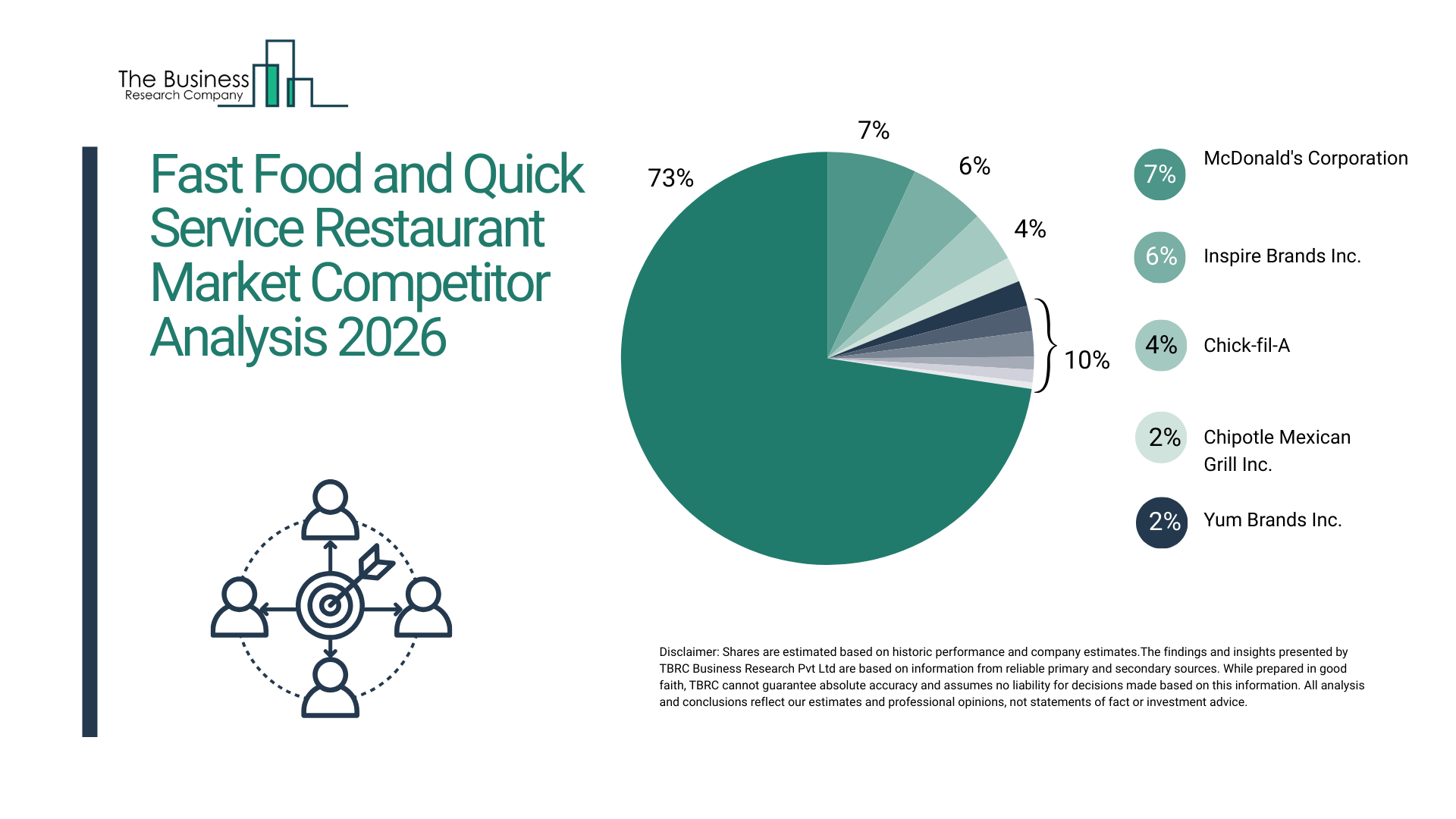
Top Lucrative Investment Opportunities for 2026
%2Fstory1%2F2731278%2F89a6667dcabd6fc7923e9751c85974cc5967.jpg&w=3840&q=75)
Notable Regional Milestones of Corporate Expansion
/story1/2731193/1768342052_2731193.png)
Top Advantages of Fast Casual Franchising in 2026